Ayse Habibe Kucuk
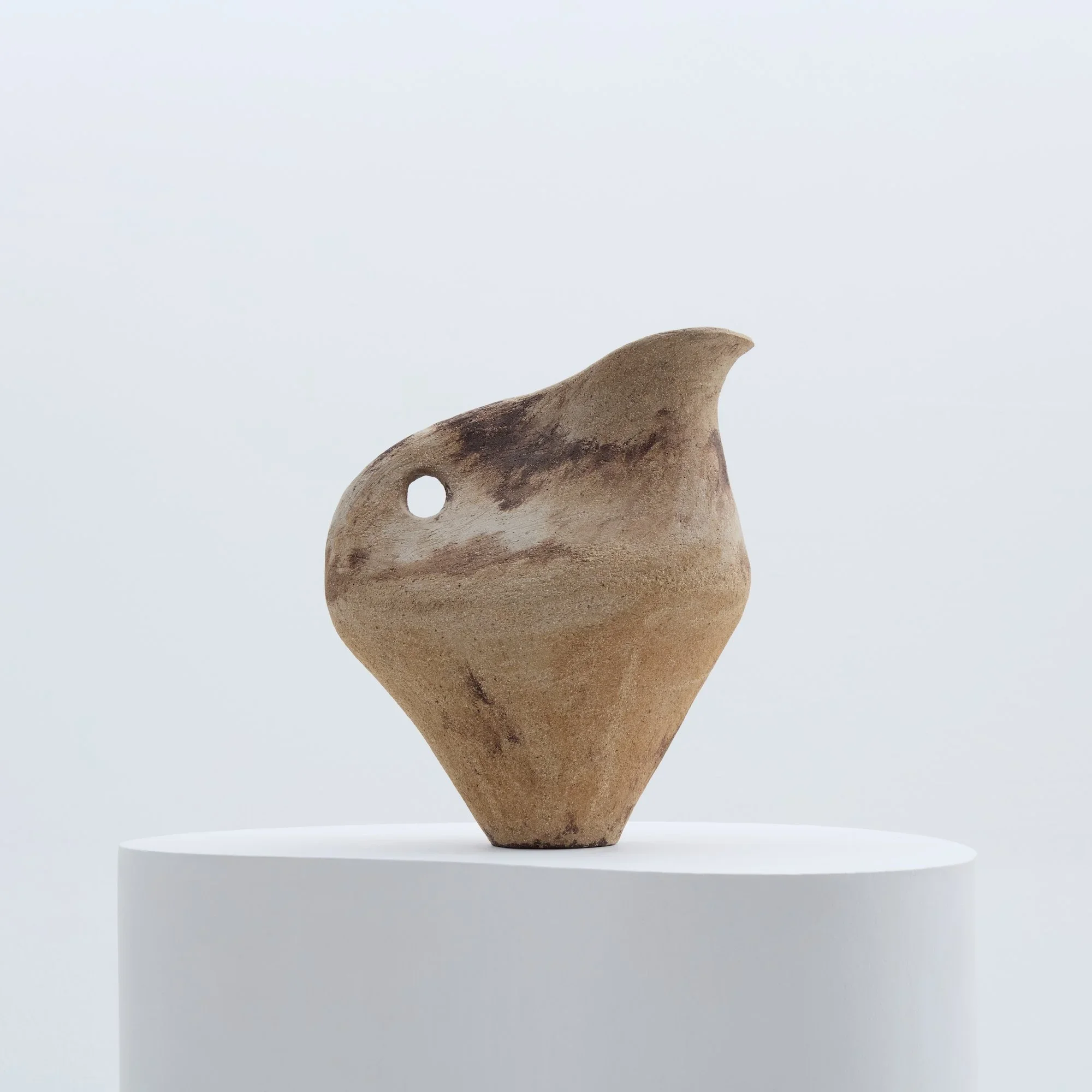
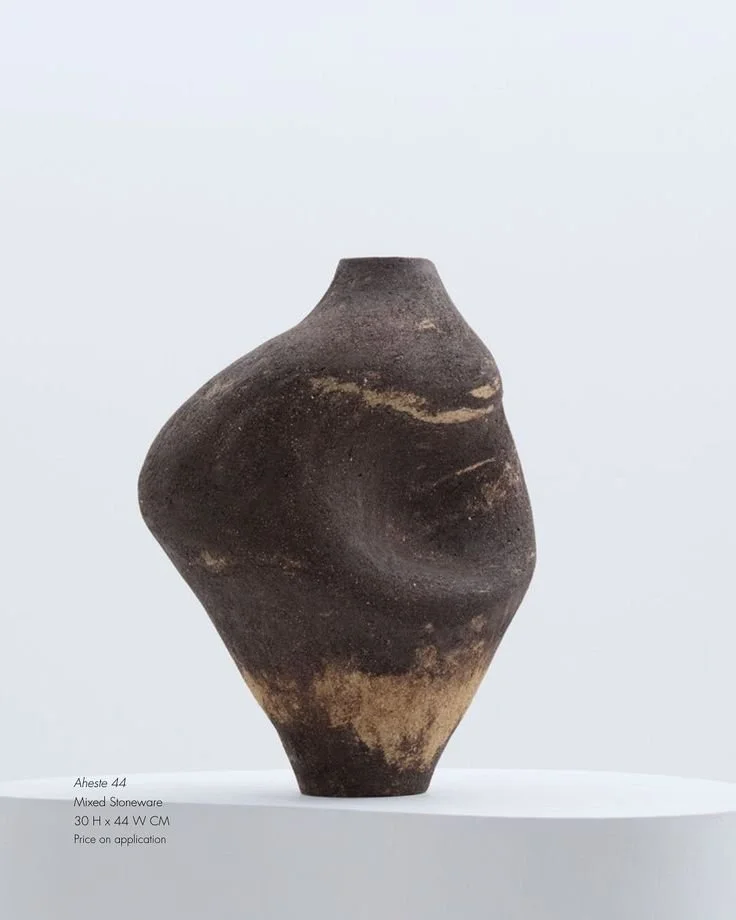
Ayşe Habibe Küçük is a ceramic artist based in London, with roots in Gaziantep, southeastern Turkey. Trained in sculpture at Sakarya University, she creates hand-built vessels and objects that move between everyday use and sculptural expression. Her work draws on the traditional forms of her hometown, childhood memories of craftsmanship and an enduring fascination with nature. Raw surfaces, subtle glazes and organic shapes give her ceramics a tactile presence, while traces of pattern connect them to a more intimate history. Each piece brings together the familiarity of inherited traditions and her own contemporary approach to clay.
THE PROCESS
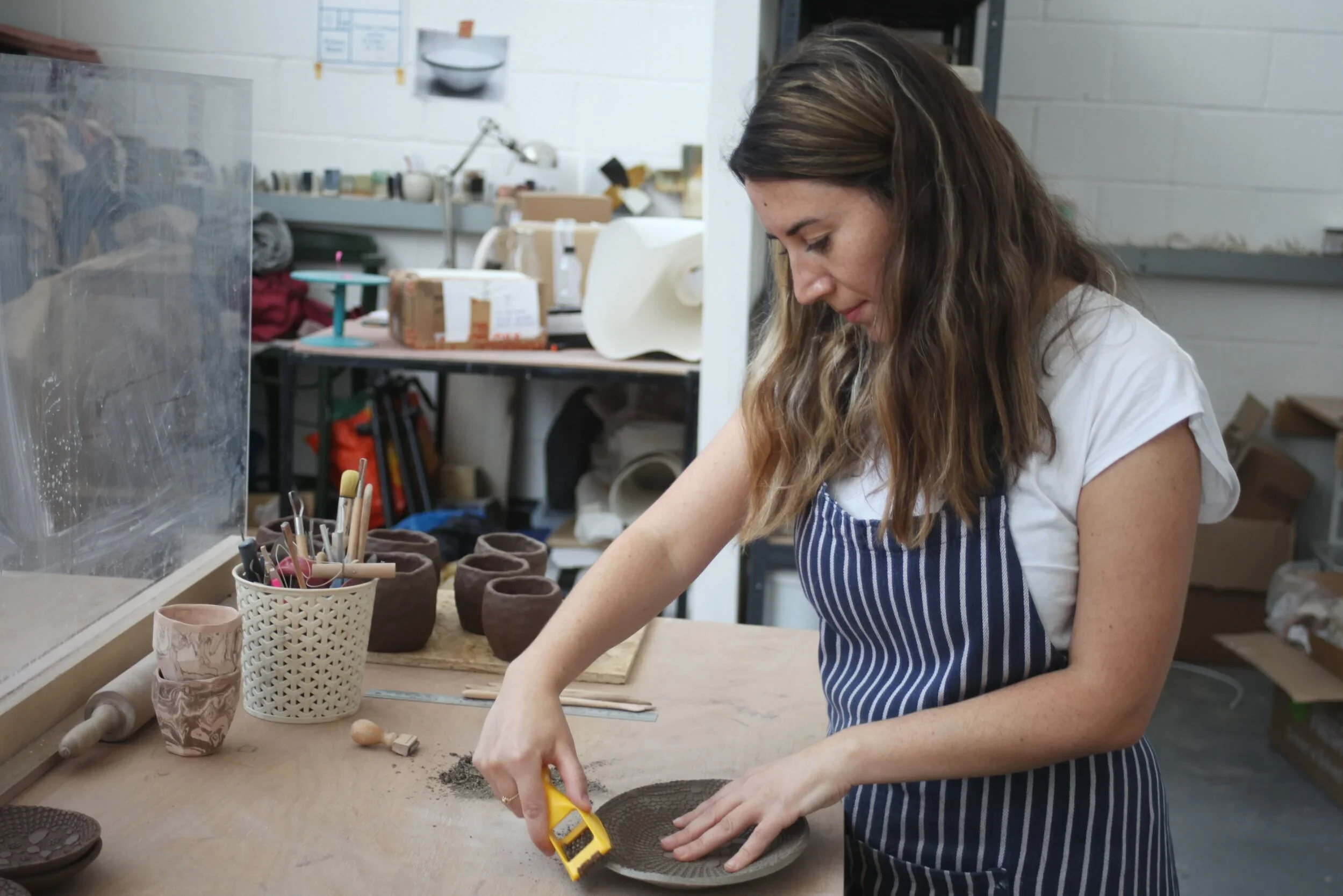
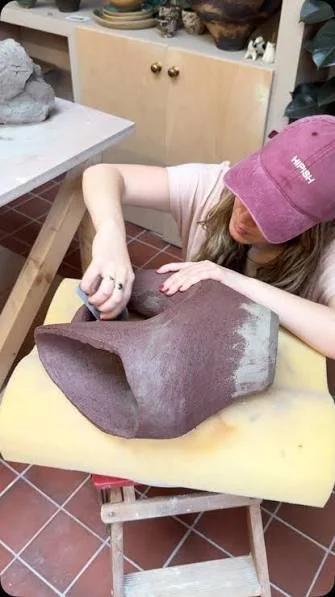
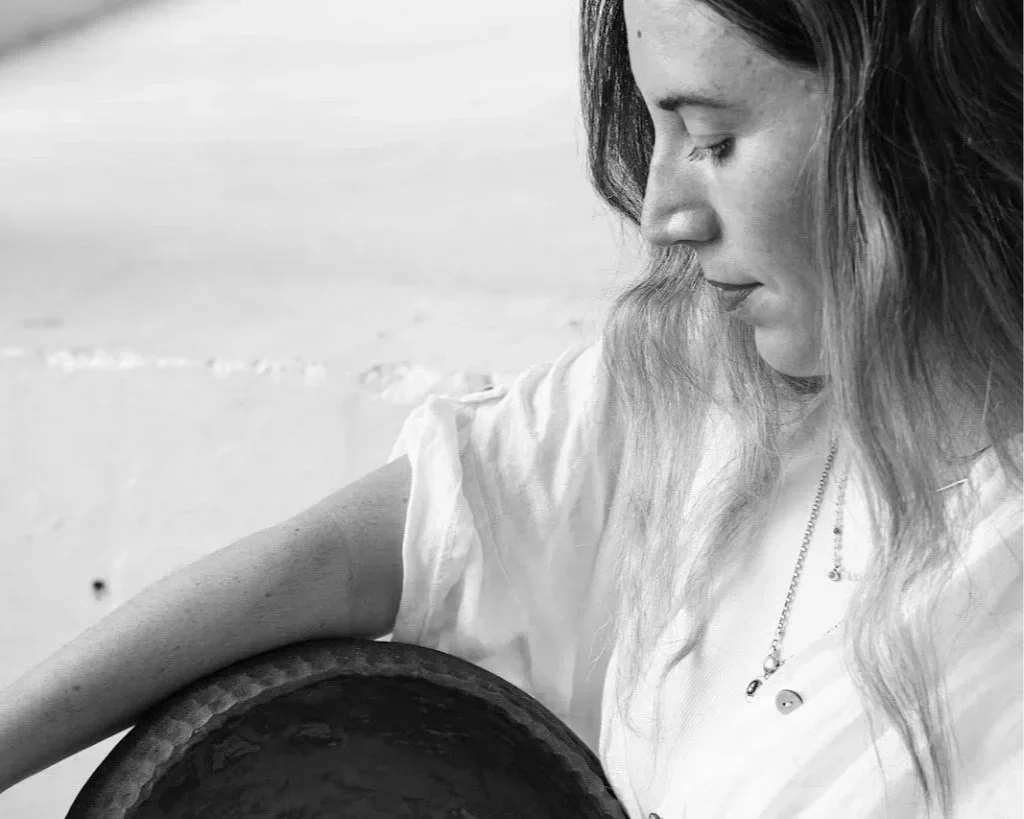
Ayşe’s practice centres on the direct relationship between hand and clay. Working through hand-building techniques, she develops each piece gradually, allowing the gestures of making to remain visible in its surface and form. This deliberate pace gives space to the small variations that distinguish one object from another. For Ayşe, working with clay is also an absorbing, meditative experience: a moment of concentration in which the physical act of building brings clarity and calm.
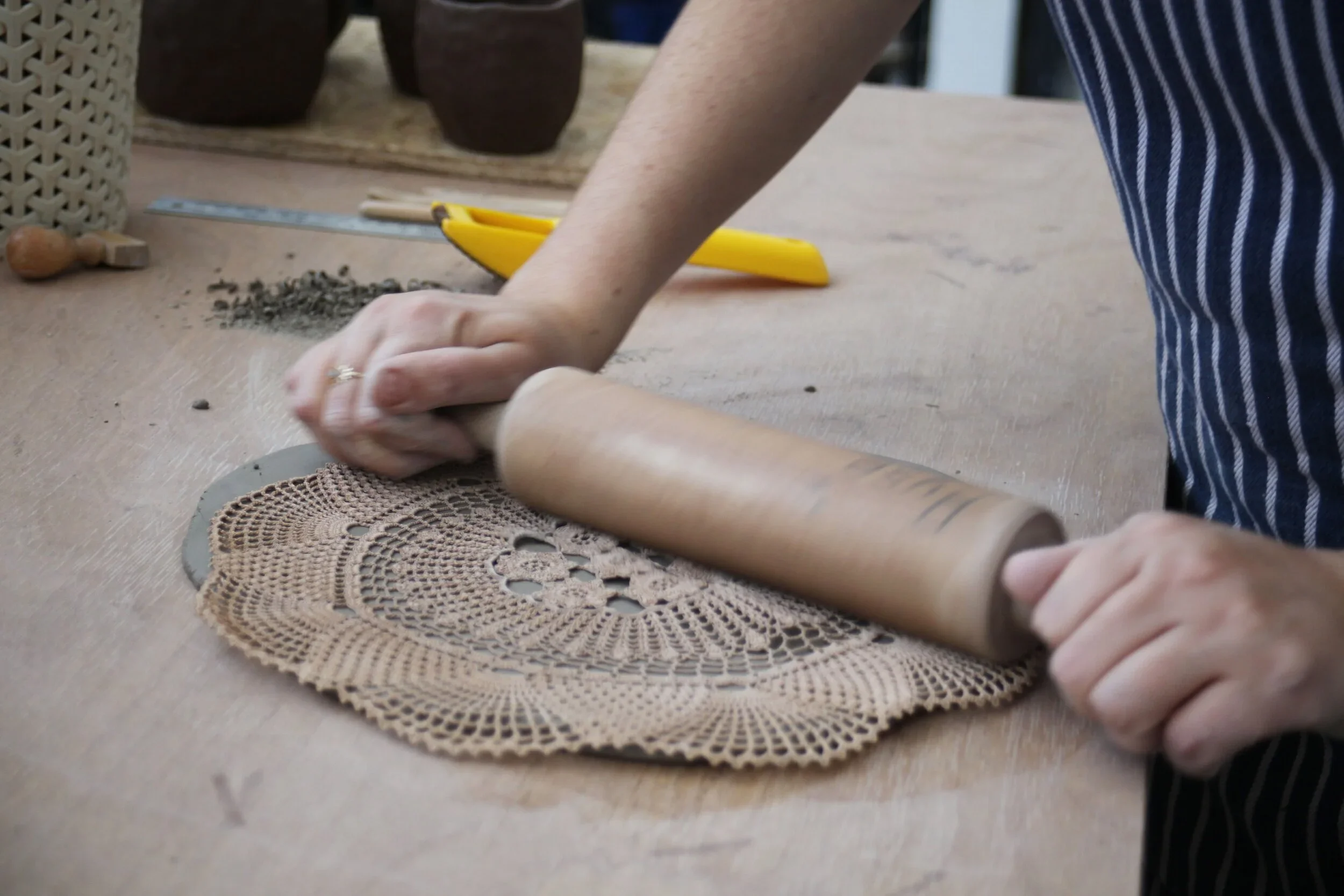
Her approach to texture is closely connected to family memory. In her lace collection, she presses her mother’s hand-crocheted doilies into slabs of stoneware using a rolling pin, transferring their intricate patterns into the clay before shaping it into dishes and platters. Different placements create individual compositions, preserving the marks of one craft within another. The technique carries a personal connection to childhood memories of watching her mother make lace.
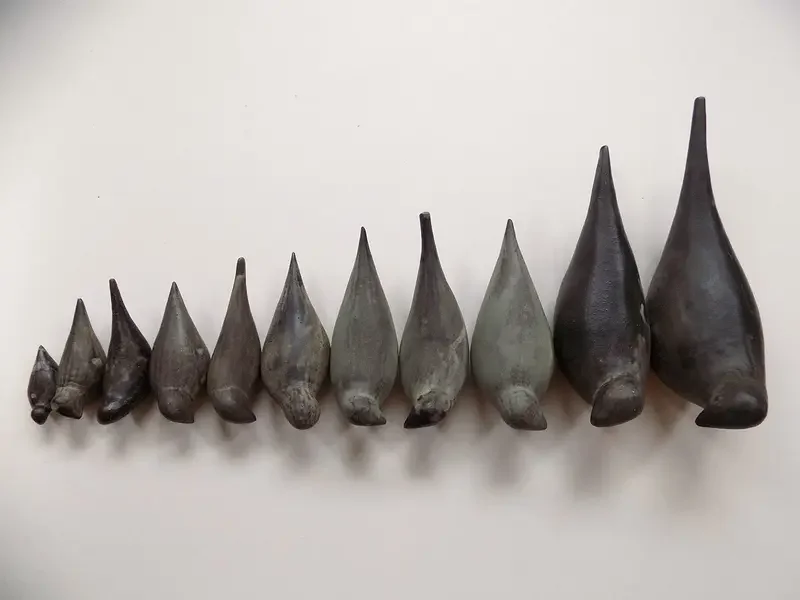
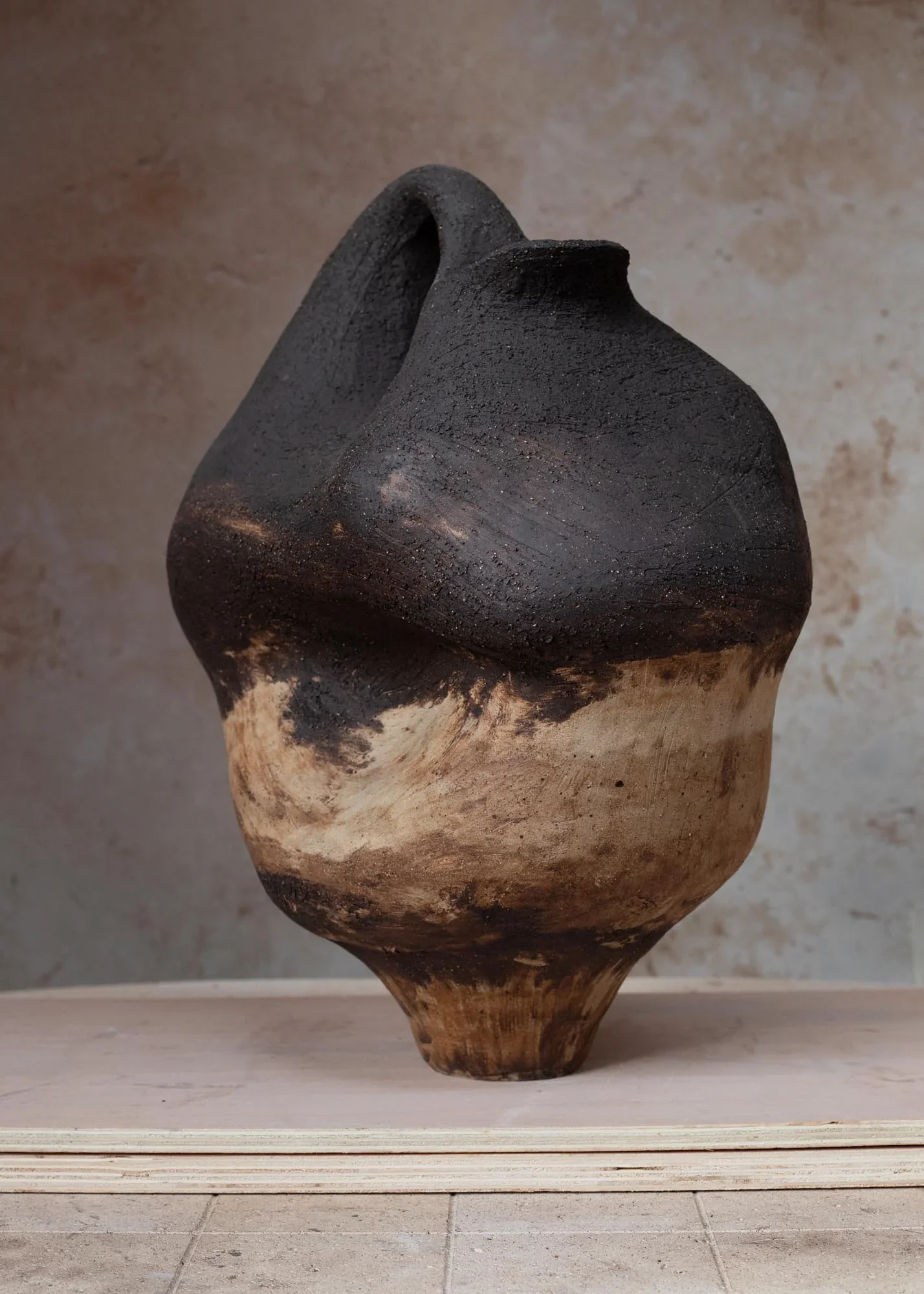
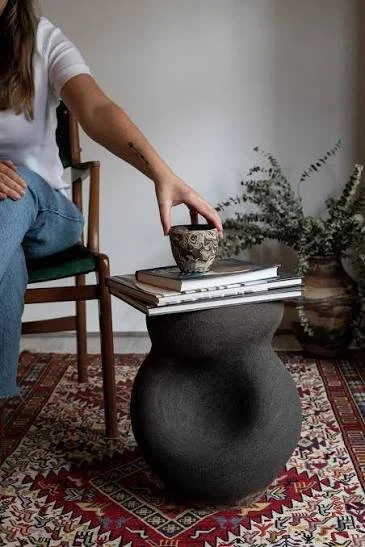
Across her wider practice, Ayşe explores the relationship between raw clay, patterned surfaces and restrained colour. Some works retain an unglazed finish, allowing the material’s texture to define their character; others introduce neutral glazes or marbling. These different treatments bring attention to the relationship between surface and volume, from the intimacy of a small functional object to the presence of a sculptural vessel. Throughout, the handmade remains central, connecting each finished piece to the time, attention and experience invested in its making.